
- July 15, 2025
- AxonTrail Editorial Team
- 0
Table of Contents
ToggleHow to Track Daily Sales Without Excel
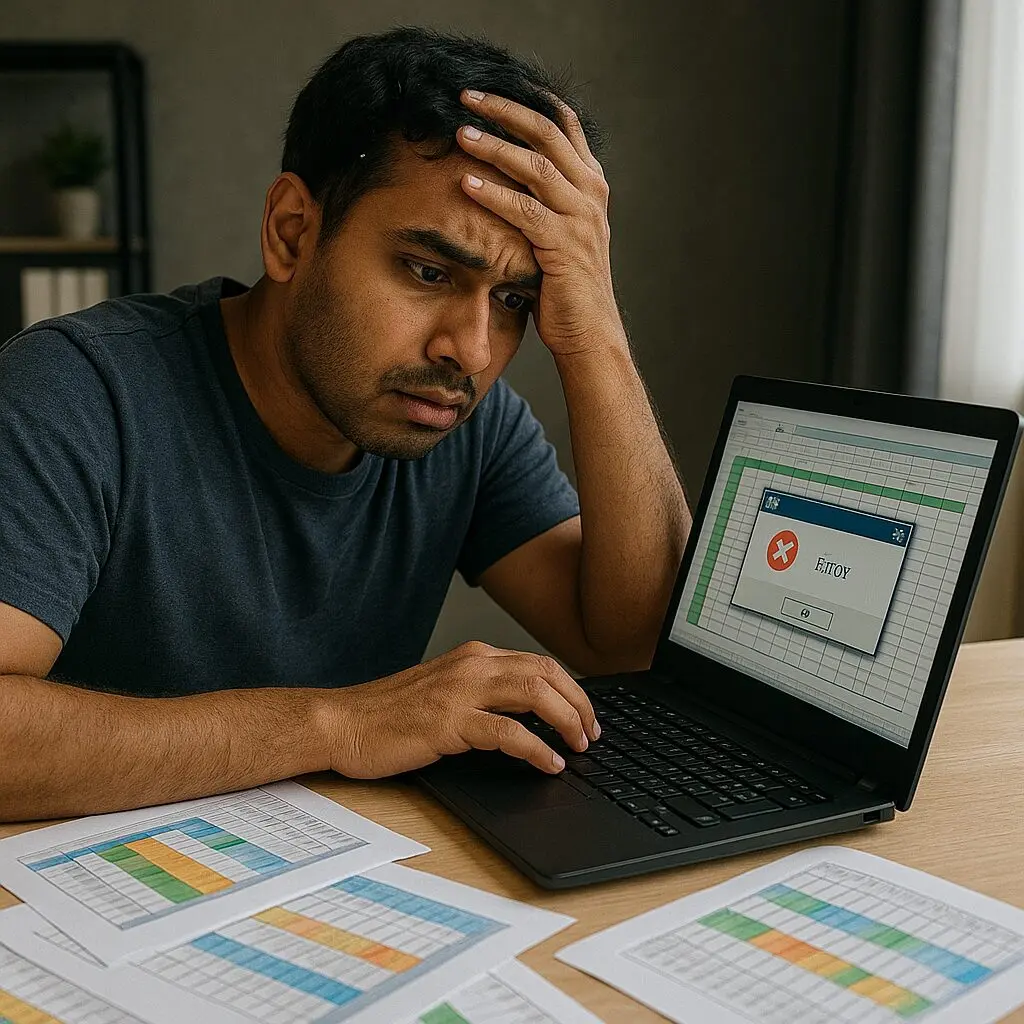
In today’s fast-paced retail landscape, countless SMEs strive to Track Daily Sales Without Excel to simplify their processes and minimise errors. While Excel has long been a default tool for many, its steep learning curve and manual data entry can lead to time-consuming tasks and avoidable mistakes. As businesses grow and sales volumes increase, relying solely on spreadsheets often results in version control headaches, formula inconsistencies and a lack of real-time visibility.
Fortunately, modern alternatives now allow you to Track Daily Sales Without Excel in a way that is more intuitive, collaborative and automated. By embracing cloud-based platforms, mobile applications and integrated software solutions, you can free up valuable hours, enhance accuracy and gain instant insights into your revenue streams. Whether you operate a boutique retail outlet, a bustling café or an online store, this guide will explore six practical methods to Track Daily Sales Without Excel and elevate your reporting to the next level.
Why Track Daily Sales Without Excel?
One of the core advantages when you decide to Track Daily Sales is that you eliminate the risk of human error creeping into your figures. Manual entry into spreadsheets often results in transposed digits, misplaced columns or broken formulas—errors that can go unnoticed until month-end reconciliation. Instead, businesses that choose to AxonTrail’s Sales Management Solutions can benefit from automated calculations and built-in error checks. This not only ensures your daily revenue totals are accurate but also helps maintain data integrity over time.
In addition, real-time updates become possible, meaning stakeholders can access up-to-the-minute reports without waiting for the latest spreadsheet to be emailed around. By moving away from Excel, you also foster better collaboration: multiple team members can view and update sales data simultaneously, without conflicting versions or complex merge processes. Ultimately, learning to Track Daily Sales Without Excel sets the foundation for a more scalable, transparent and error-resistant sales operation.
Utilise Cloud-Based Systems to Track Daily Sales
Cloud-based Sale management systems have revolutionised how businesses record transactions, enabling you to cloud based sales management solution by automating the entire checkout process. These platforms capture each sale instantly, categorise products, apply discounts and calculate taxes—then store all data securely in the cloud. With a few clicks, you can generate daily, weekly or monthly sales reports, review top-selling items and even forecast trends based on historical performance.
As these systems integrate seamlessly with payment gateways, you avoid manually entering transaction totals, drastically reducing administrative workload. Moreover, many cloud business solutions offer mobile access, so you and your team can Track Daily Sales whether you’re on the shop floor, at an off-site event or working remotely. This flexibility ensures that no matter where you are, you maintain full visibility over your sales figures and can make informed decisions without delay.
Leverage Mobile Sales Tracking Apps to Track Daily Sales Without Excel
In an era where smartphones are ubiquitous, mobile sales tracking apps offer a convenient way to Track Daily Sales Without Excel on the go. These apps allow you to create invoices, record payments and monitor transactions directly from your phone or tablet. With intuitive interfaces and offline capabilities, you can sell and record data even when connectivity is patchy, syncing automatically once you’re back online.
By choosing to AI based Sales management solution via mobile apps, you gain the agility to respond to customer needs instantly and update your records in real time. Many of these applications also support barcode scanning, photo receipts and customer profiles, giving you richer data than a simple spreadsheet could provide. For start-ups and micro-enterprises looking to reduce upfront costs, mobile apps often come with free tiers or affordable subscriptions, making it easier than ever to Daily Sales without a hefty initial investment.

Automate Sales Reporting to Track Daily Sales Without Excel
Automating your sales reports is another effective strategy to Track Daily Sales. By linking your sales channels—such as e-commerce platforms, in-store POS and marketplaces—to an automated reporting tool, you can consolidate all transactions into a single dashboard. These tools pull data from each source at scheduled intervals, generate visual charts and alert you to anomalies like sudden dips in revenue or inventory shortages.
Rather than manually exporting CSV files and copying figures into Excel, you simply log in to your dashboard to Track Daily Sales Without Excel, review key performance indicators and download customised reports as needed. This level of automation not only slashes administrative overhead but also provides deeper analytics, helping you identify patterns, seasonality and growth opportunities that a static spreadsheet might obscure.
Use Inventory Management Software
Inventory management software often includes powerful sales-tracking modules that let you Track Sales while simultaneously monitoring stock levels. As each sale is recorded, the system deducts the sold items from your on-hand inventory, triggers reorder alerts when thresholds are reached and forecasts future stock requirements based on sales velocity.
This integrated approach ensures that you never have to manually reconcile sales figures with physical counts—an operation that typically demands tedious cross-referencing in Excel. By choosing to Track Daily Sales Without Excel through dedicated inventory platforms, you gain a harmonised view of both sales and stock, leading to smarter purchasing decisions and reduced risk of overstocking or stock-outs. Many solutions also offer batch tracking, serial number recording and expiry-date management, which are invaluable for businesses handling perishable goods or regulated items.
Embrace Digital Invoicing Tools
Digital invoicing platforms provide yet another avenue to Sales management by streamlining billing and payment collection. These tools automate invoice generation, send reminders to clients and reconcile payments once they arrive.
Every invoice issued becomes a recorded transaction, automatically feeding into your sales ledger without the need to export or re-enter figures into a spreadsheet. With detailed audit trails and time-stamped records, you can Track Daily Sales Without Excel with confidence, knowing that each entry is both accurate and backed by a verifiable paper trail. Additionally, many invoicing systems integrate with accounting software, bank feeds and tax compliance modules, further reducing manual workload and minimising the risk of late payments or filing errors.
Conclusion
Transitioning away from spreadsheets may seem daunting at first, but learning to Track Daily Sales Without Excel opens the door to greater accuracy, efficiency and business insight. Whether you adopt a cloud-based POS, a mobile app, an automated reporting tool, inventory software or a digital invoicing platform, each method removes the manual drudgery of Excel and frees you to focus on strategic growth. By selecting the solution that best aligns with your operational needs and budget, you can ensure smooth, real-time visibility into your daily revenue and make data-driven decisions with confidence. Start today, and discover how simple it can be to Track Daily Sales—your bottom line will thank you.
Frequently Asked Questions
1. What is the easiest way to Track Daily Sales ?
Many small businesses find cloud-based systems easiest, as they automatically record sales and generate reports without needing spreadsheet skills.
2. Are mobile sales tracking apps secure?
Yes—most reputable apps use end-to-end encryption, two-factor authentication and secure cloud storage to protect your data.
3. Can I integrate my e-commerce store to Track Daily Sales ?
Absolutely. Automated reporting tools often offer connectors for popular platforms like Shopify, WooCommerce and Magento.
4. Do I need technical expertise to use inventory management software?
Generally no—modern inventory tools are designed with user-friendly interfaces and setup wizards to guide you through configuration.
5. How much does it cost to Track Daily Sales Without Excel using digital invoicing?
Costs vary, but many invoicing platforms offer free plans or tiered subscriptions starting at under £10 per month.
6. Can I still export data if I want a backup outside the system?
Yes—most solutions allow you to export CSV or PDF reports for archiving or sharing with stakeholders.
7. Will switching away from Excel affect my VAT returns?
On the contrary, automated tools often simplify VAT calculations and filing, ensuring accuracy and compliance.
8. Is internet connectivity required to Track Daily Sales?
While cloud-based systems need internet access, many mobile apps offer offline modes that sync once you’re online again.
9. How quickly can I implement a new system?
Implementation can take anywhere from a few hours to a couple of days, depending on complexity and data migration needs.
10. What should I look for when choosing a solution?
Consider ease of use, integration options, reporting capabilities and cost to ensure you can Track Daily Sales Without Excel effectively.